
If you’ve been in the digital creator space for more than a minute, you know the cycle. You start the week with a massive “To-Do” list, but by Wednesday afternoon, your brain feels like it’s running through thick mud. I used to think the answer was just “more caffeine.” I was wrong.
In 2026, the real edge isn’t about working more hours; it’s about the quality of those hours. That’s where Biohacking comes in. It sounds like something out of a sci-fi movie, but it’s really just a fancy way of saying “optimizing your biology.”
I’ve started implementing a few small changes that have completely shifted my energy levels. Here’s what’s actually working for me right now.
1. Mastering the “Light” Game
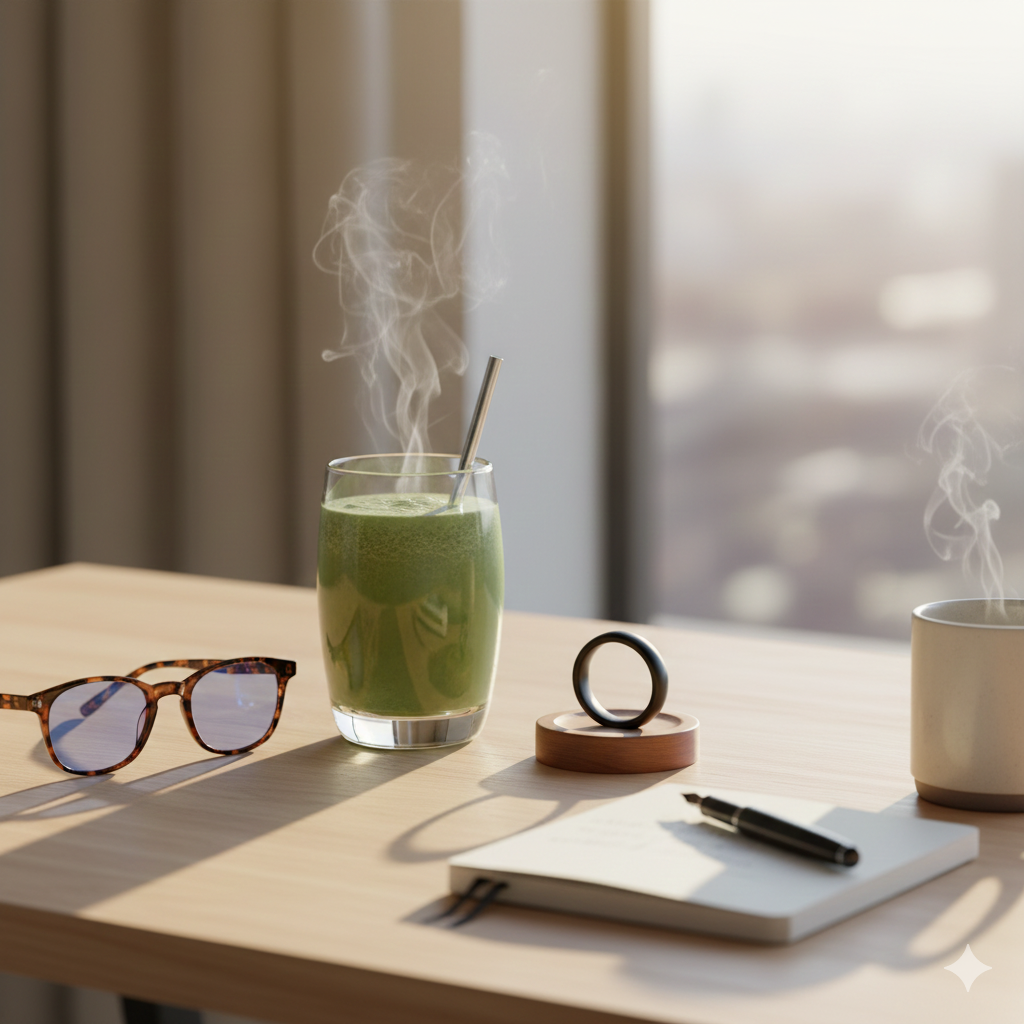
I never realized how much my screen was killing my sleep until I started tracking it. Our eyes aren’t built to stare at blue light at 11 PM. I’ve started wearing blue-light blocking glasses after sunset, and the difference in my sleep quality is night and day. When you sleep better, your brain actually flushes out toxins, meaning you wake up without that “mental fog.”
2. The Rise of Wearable Data
I finally caved and got a smart ring. Unlike a watch that just counts steps, these new-gen wearables track your “Recovery Score” and heart rate variability (HRV). If my ring tells me my recovery is low, I don’t push for a 12-hour workday. I listen to the data. It’s saved me from at least three major burnouts this year already.
3. Brain Fuel (Beyond Coffee)
We’ve all heard of Nootropics, but in 2026, it’s all about personalization. Instead of generic energy drinks, I’ve moved toward functional mushrooms like Lion’s Mane and Cordyceps. They give you a steady, calm focus without the jittery “crash” that comes after your third espresso.
4. Micro-Workouts for Macro Focus
The “hustle culture” told us to sit at our desks until the job is done. Biohacking tells us to move. I’ve started doing “movement snacks”—just 5 minutes of intense stretching or a quick walk every 90 minutes. It resets your nervous system and stops that midday slump before it even starts.
5. Prioritizing “Deep Rest”
This was the hardest one for me. I thought rest was “laziness.” But your brain is like a muscle; it needs to recover. I’ve started using 10-minute NSDR (Non-Sleep Deep Rest) sessions in the afternoon. It feels like a 2-hour nap compressed into 10 minutes. If you’re a creator, your ideas are your currency. You can’t print more currency if your brain is fried.
Is it worth the hype?
Biohacking can get expensive if you buy every gadget on the market. But the core of it—light, sleep, movement, and nutrition—is mostly free. For me, the investment in a few key tools has paid for itself through the extra high-quality work I can produce.
If you want to stay relevant in this fast-paced creator economy, you have to treat your body like the high-performance machine it is.
Disclaimer: This article is for educational and informational purposes only. Biohacking involves personal health choices; please consult with a medical professional or a certified health coach before starting any new supplement or intensive health routine.