

I was looking at some recent data, and it’s official: auto insurance premiums in the US have hit an all-time high this year. It feels like every time you open your mail, your provider is asking for another $20 or $50 a month, even if your driving record is spotless. The truth is, insurance companies are now using aggressive AI algorithms to price their risk, and unfortunately, that usually means the customer pays more.
But look, you don’t have to just sit there and take the bill. If you’re willing to spend about 30 minutes tweaking your approach, you can actually claw some of that money back. Here is exactly how I’d handle it if I were trying to cut costs today.
The “Big Brother” Discount: Telematics
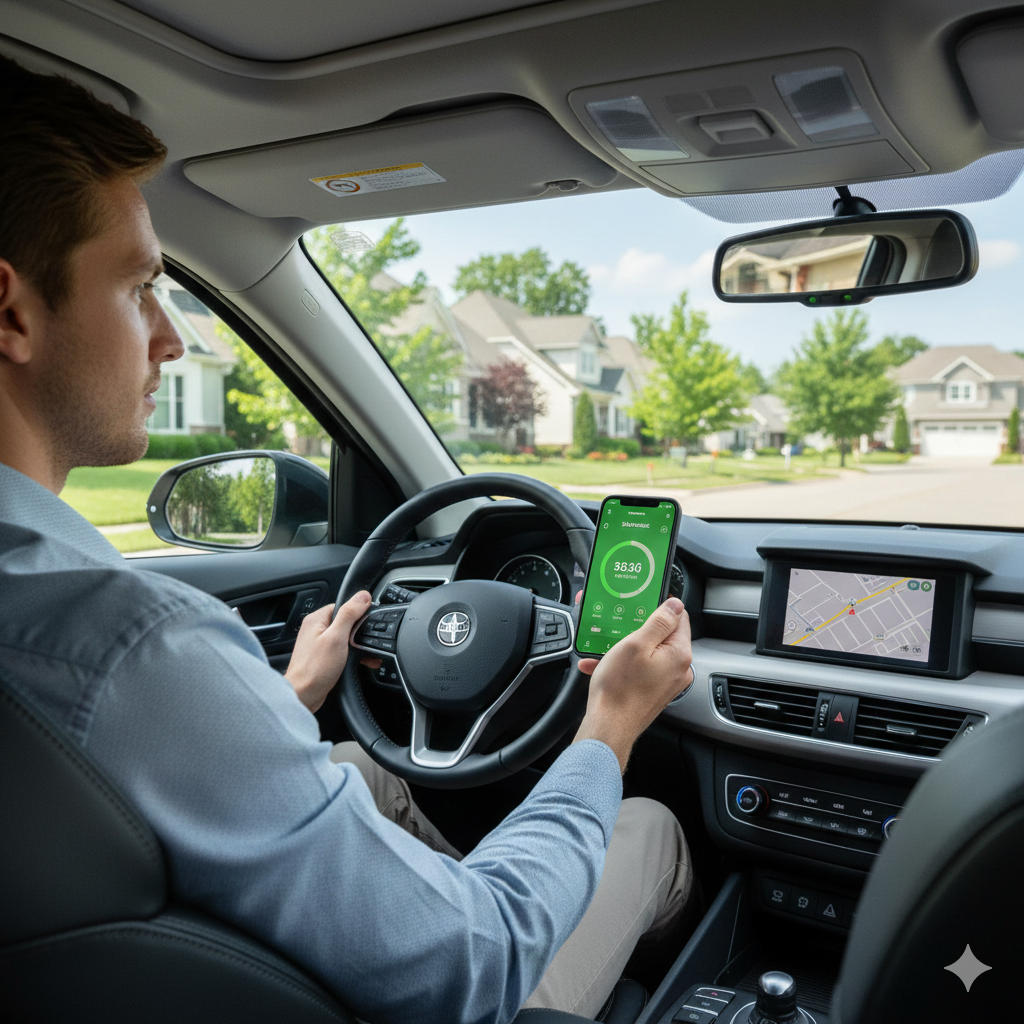
The most radical change in 2026 is how much data these companies want from you. Most big names—think Geico, State Farm, or Progressive—are pushing their “telematics” programs. They basically want to track your driving through a phone app or a small plug-in device.
Now, I know privacy is a concern for many, but if you’re someone who doesn’t drive like a maniac and avoids the roads at 2 AM, this is probably the easiest 25% discount you’ll ever get. The AI tracks your braking and speed, and if you’re safe, they drop your rate. It’s that simple.
Stop Being Loyal (Seriously)
One of the biggest mistakes I see people making is staying with the same insurance company for five or ten years. In the insurance world, loyalty is often rewarded with “price optimization”—which is a fancy way of saying they raise your rates because they think you’re too lazy to switch.
My advice? Set a calendar alert for every six months. Use one of those quick comparison tools and see what the “new customer” rates look like elsewhere. You’d be surprised how often a competitor will undercut your current rate just to get you on their books.
The Credit Score Connection
It sounds weird, but your credit score actually dictates a huge chunk of what you pay for car insurance in most states. Insurance companies have this theory that people with higher credit scores are more “responsible” on the road. Whether that’s true or not doesn’t matter; what matters is your wallet. If you’ve recently paid off a loan or cleaned up your credit report, call your agent. Ask them to re-run your “insurance score.” It could save you hundreds of dollars a year.
Adjusting the Math on Your Deductible
If you have a bit of money tucked away in savings, you’re sitting on a major discount opportunity. Most people default to a $500 deductible. If you bump that up to $1,000, your monthly premium will drop instantly. You’re basically telling the insurance company, “I’ll take on a little more of the risk myself,” and they reward you for it. Just make sure you actually have that $1,000 accessible in case you ever actually need to file a claim.
The Power of the “Bundle”
Lastly, don’t ignore the “bundling” factor. It’s the oldest trick in the book, but it works. If you have renters insurance or homeowners insurance, put it under the same roof as your auto policy. Insurance companies hate losing customers who have multiple policies with them, so they’ll almost always give you a “multi-line” discount that you won’t get anywhere else.
Final Word
At the end of the day, car insurance is just another business expense for those of us living the digital creator life. You have to treat it like any other subscription—audit it, optimize it, and never pay the “sticker price” if you don’t have to.
Disclaimer: This article is for educational and informational purposes only. Insurance policies, coverage options, and premium rates vary significantly by state and provider. Before making any financial commitments or purchasing a policy, it is highly recommended to consult with a licensed insurance professional or agent.