Content strategy: planning, creation, and distribution — step by step
SEO, discoverability, and algorithm playbooks
Audience growth: tactics that scale (organic & paid)
Monetization: how digital creators earn (detailed revenue streams)
Workflow, productivity, and content operations
Legal, taxes, and brand safety (must-knows)
Collaborations, networking, and building partnerships
Measuring success: metrics, dashboards, and reporting
Sustainability & mental health for creators
30/90/365-day action plans (blueprints)
Resources, templates, and next steps
FAQs
Final checklist & closing thoughts
1. What is a Digital Creator? (Definition & scope)
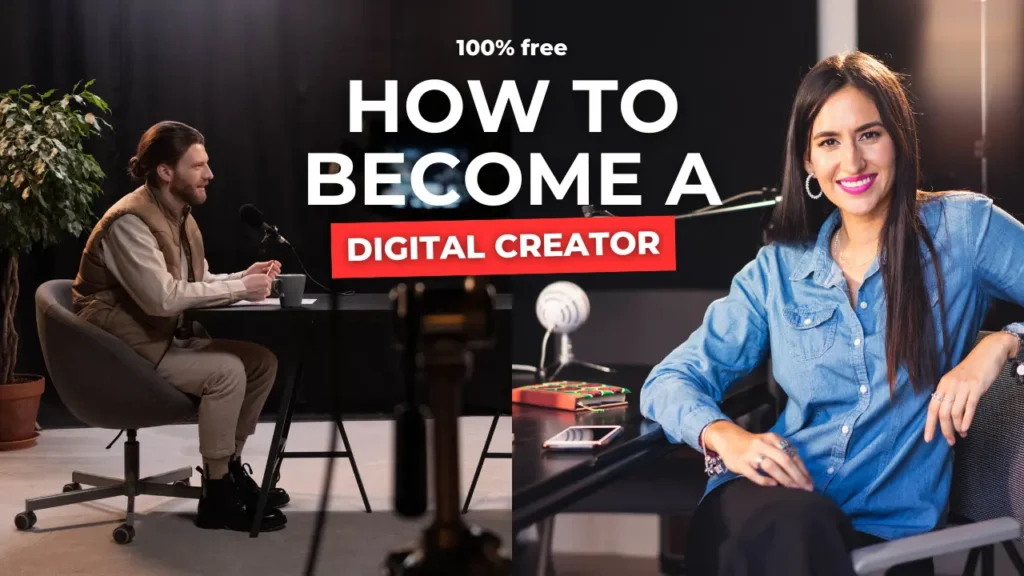
A digital creator is anyone who produces original content (text, images, audio, video, interactive experiences) primarily for digital platforms with the intent to inform, entertain, educate, or persuade an audience. Creators range from micro-influencers and niche bloggers to multimedia producers and studio teams. The role blends creative storytelling with audience-building, distribution strategy, and business skills.
Why the role matters: the digital creator sits at the intersection of culture, community, and commerce — influencing trends, purchasing decisions, and conversations across the web.
Plan 4–12 weeks ahead. Batch record/edit to stay consistent.
Step 5: Create with a workflow
Pre-production: script, shot list, assets.
Production: record with attention to hook and pacing.
Post-production: edit tightly, add captions, thumbnails, and CTAs.
Step 6: Publish & distribute
Optimize title, description, tags. Post at times your audience is active.
Cross-post on socials, newsletter, and community channels.
Step 7: Iterate
Review analytics after 48–72 hours and 14–30 days. Iterate on formats that work.
6. SEO, discoverability, and algorithm playbooks
On YouTube: strong hook, watch time, CTR (thumbnail + title), retention, and engagement (comments/likes) drive recommendation. Chapters, timestamps, and pinned comments help.
On Google / Blogs: long-form content (1,200+ words), semantic keywords, internal linking, structured data, and E-A-T (expertise, authority, trust) matter.
On Socials (TikTok / Reels): rapid consumption, trends, sound usage, and high early engagement are key. Use trending audio and put the hook in frame-by-frame first 1–3 seconds.
Cross-platform synergy: use each platform’s strengths to funnel audiences into owned channels (website/email).
7. Audience growth: tactics that scale (organic & paid)
Organic
Consistency and cadence.
Collaborations and guest spots.
Repurposing long-form content into shorts/clips.
Community-first approach: reply to comments, run AMAs, polls.
SEO and backlog optimization (update old posts/videos).
Q: Do I need expensive gear to start? A: No. Start with a good smartphone and learn fundamentals. Upgrade as revenue grows.
Q: Which platform should I choose first? A: Pick where your audience spends time. If you like long-form storytelling — YouTube or blogging. If you prefer quick discovery — TikTok or Shorts.
Q: How long until I earn meaningful income? A: Varies widely. Some creators monetize within months; for many it takes 12–24 months of consistent work. Consistency + value wins.
17. Final checklist & closing thoughts
Define your niche and ideal audience.
Plan content pillars and a 12-week calendar.
Build a multi-platform presence and own your audience (email).
Optimize for discoverability (SEO + thumbnails + hook).
Diversify revenue streams from month one.
Create SOPs and document workflows.
Prioritize mental health and sustainability.
Becoming a successful digital creator is creative work + repeatable systems. Start small, iterate fast, learn from data, and build real relationships with your audience. The digital creator’s advantage is agility — you can test, learn, and scale faster than most traditional media. Now go create something people need — and make it yours.
Frequently Asked Questions (FAQs)
1. What is the meaning of a Digital Creator? A Digital Creator is someone who creates and publishes original content on digital platforms such as YouTube, Instagram, TikTok, or blogs. Their goal is to educate, entertain, or inspire an online audience through various types of media — videos, posts, podcasts, or designs.
2. How do I become a Digital Creator? To become a digital creator, start by choosing your niche (such as travel, tech, beauty, finance, or education), create high-quality content consistently, and engage with your audience. Use analytics to understand what works, and optimize your presence across platforms like YouTube, Instagram, and LinkedIn.
3. Do Digital Creators get paid? Yes, digital creators earn income through brand collaborations, sponsored posts, affiliate marketing, ad revenue, product sales, and subscriptions. The more consistent and niche-focused your content is, the better your chances of monetization.
4. What are the best tools for Digital Creators? Some essential tools include:
Canva / Adobe Photoshop: For design and visual content.
Google Analytics / TubeBuddy: For performance tracking.
5. What platforms are best for Digital Creators in 2025? Top platforms include YouTube, Instagram, TikTok, LinkedIn, Pinterest, and X (Twitter). Each serves different audiences — for example, YouTube is great for tutorials and long-form content, while Instagram and TikTok are best for quick, visual engagement.
6. How much can a Digital Creator earn in India? Earnings vary widely based on niche, audience size, and engagement rate. In India, beginner creators can earn ₹10,000–₹50,000 per month, while top creators easily cross ₹5–₹10 lakhs monthly, depending on collaborations and content performance.
7. What is the difference between an Influencer and a Digital Creator? While both create content, influencers primarily focus on promoting brands and engaging followers, whereas digital creators concentrate on creating original, value-driven content — such as tutorials, reviews, blogs, or creative visuals.
8. How can I grow faster as a Digital Creator? Focus on consistent posting, storytelling, authentic engagement, SEO optimization, and cross-platform promotion. Always analyze your data and adapt your strategy to audience feedback.
Free Website Audit
Fill out the form below, and we will be in touch shortly.